Exploring Control and Surrender in Contemporary Art
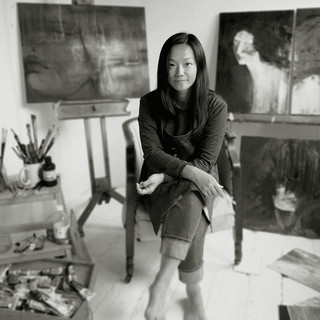
Contemporary art often challenges viewers by presenting complex themes that invite reflection. Among these themes, the tension between control and surrender stands out as a powerful lens through which artists explore human experience. This dynamic shapes not only the creative process but also the way audiences engage with art. Understanding how control and surrender interact in contemporary works reveals deeper insights into artistic expression and the cultural moment.
The Meaning of Control and Surrender in Art
Control in art refers to the deliberate choices artists make—composition, technique, medium, and message. It reflects the artist’s intention to shape meaning and guide the viewer’s experience. Surrender, by contrast, involves letting go of strict control, allowing chance, spontaneity, or external forces to influence the work. This can mean embracing unpredictability or inviting the audience to complete the meaning.
Artists balance these forces to create tension and depth. Control ensures clarity and coherence, while surrender opens space for surprise and emotional resonance. This balance mirrors life itself, where people navigate between exerting influence and accepting uncertainty.
Historical Roots of Control and Surrender in Art
The interplay between control and surrender is not new but has evolved over time. Classical art emphasized control through precise techniques and idealized forms. The Renaissance masters, for example, meticulously planned compositions to convey harmony and order.
In the 20th century, movements like Abstract Expressionism embraced surrender more openly. Artists such as Jackson Pollock used spontaneous gestures and chance drips to create dynamic, uncontrolled patterns. This shift reflected broader cultural changes, including a desire to break free from tradition and explore subconscious impulses.
Today’s contemporary artists continue this dialogue, often blending control and surrender in innovative ways. They use technology, mixed media, and participatory methods to challenge traditional boundaries.
Examples of Control and Surrender in Contemporary Art
Controlled Precision: The Work of Tara Donovan
Tara Donovan creates large-scale sculptures from everyday materials like plastic cups and straws. Her work demonstrates meticulous control in the arrangement of thousands of elements to form organic shapes. Yet, the final effect often appears spontaneous and fluid, inviting viewers to surrender to the immersive experience.
Embracing Chance: The Art of Olafur Eliasson
Olafur Eliasson’s installations often incorporate natural phenomena such as light, water, and fog. While carefully designed, these works depend on environmental conditions and viewer interaction, introducing elements beyond the artist’s control. This surrender to nature and audience participation creates a dynamic, ever-changing experience.
Interactive Surrender: Rafael Lozano-Hemmer
Rafael Lozano-Hemmer’s interactive installations invite viewers to influence the artwork through their movements or biometric data. The artist controls the framework but surrenders the outcome to the audience’s input. This collaboration blurs the line between creator and observer, emphasizing shared control and surrender.

The Role of Control and Surrender in the Creative Process
Artists often start with a clear concept or plan, exercising control over materials and techniques. As the work progresses, they may allow intuition and experimentation to guide decisions, surrendering to unexpected outcomes. This process can lead to breakthroughs and richer expressions.
For example, painters might begin with a detailed sketch but then let brushstrokes flow freely, embracing accidents. Digital artists might write code but allow glitches or random inputs to shape the final piece. This balance keeps the creative process dynamic and open.
How Viewers Experience Control and Surrender
Art that balances control and surrender invites active engagement. Viewers may recognize the artist’s skill and intention but also find room to interpret and feel. This duality creates a dialogue between the artwork and its audience.
When surrender dominates, viewers might feel immersed or surprised, experiencing the work as a living event. When control is more apparent, they may appreciate craftsmanship and conceptual clarity. The most compelling contemporary art often combines both, encouraging reflection on how we manage control and surrender in our own lives.
Practical Tips for Artists Exploring These Themes
Start with a clear plan but remain open to change during creation.
Experiment with materials or techniques that introduce unpredictability.
Consider audience participation to share control and invite surrender.
Reflect on personal experiences of control and surrender to inform your work.
Use contrast between controlled and uncontrolled elements to create tension.
Why Control and Surrender Matter Today
In a world marked by rapid change and uncertainty, the themes of control and surrender resonate deeply. Contemporary art that explores these ideas helps us confront our desires to manage life and our need to accept what we cannot control. It offers a space to explore vulnerability, resilience, and freedom.
Artists who engage with these themes contribute to cultural conversations about power, identity, and connection. Their work encourages viewers to rethink assumptions and embrace complexity.
Final Thoughts on Control and Surrender in Contemporary Art
The tension between control and surrender shapes much of contemporary art’s power and relevance. By examining how artists navigate this balance, we gain insight into creative processes and human experience. Whether through precise craftsmanship or open-ended interaction, contemporary art invites us to consider when to hold on and when to let go.
Exploring these themes can enrich your appreciation of art and inspire your own creative or personal journey. Next time you encounter a contemporary artwork, notice how control and surrender play out and what that reveals about the artist’s vision and your response.
Comments